Turning your home into a vacation rental is one of the smartest ways to generate passive income from a property you already own. But between insurance, local regulations, guest prep, and listing optimization, the process involves more than just posting a few photos online. This guide breaks down every step you need to take to start renting your home as a short-term vacation rental, with practical tips you can act on today.
Key Takeaways
- Check local laws and get the right insurance first. Your standard homeowners policy won’t cover short-term rental activity, and skipping this step can cost you thousands.
- Guest-ready prep matters. Removing personal items, stocking amenities, and creating a welcome book are what separate five-star reviews from mediocre ones.
- Your listing is your storefront. Professional photos, smart pricing, and the right booking sites determine whether your calendar stays full or empty.
- You don’t have to do it alone. A property management company like NW Hosting handles everything from marketing to maintenance, so you can enjoy true passive income.
Ready to skip the learning curve? NW Hosting provides full-service vacation rental management across Idaho and Spokane, WA, so you never have to worry about 2 am guest calls again.

Step 1: Research Local Regulations Before You Start Renting
Before anything else, confirm that short-term rentals are legally allowed in your area. Many cities, counties, and HOAs have specific rules about whether (and how) you can rent your home to guests.
Things to look into:
- City or county short-term rental permits and business licenses
- State-level registration or tax collection requirements
- HOA restrictions that may prohibit or limit rentals
- Zoning laws that differ between residential and commercial use
Regulations have become stricter in recent years. STR regulation continued to expand in 2024 and into 2025, with more cities and counties adding registration requirements, density limits, and tax compliance obligations. U.S. cities are also increasing enforcement ahead of the 2026 World Cup and 2028 Olympics.
Pro Tip: Start by searching your city or county government website for “short-term rental ordinance” or “vacation rental permit.” If you’re in Idaho, NW Hosting can walk you through the local requirements in Boise, Coeur d’Alene, and the surrounding areas.
Step 2: Get the Right Insurance (Your Homeowners Policy Won’t Cut It)
Your standard homeowners’ insurance does not cover short-term rental activity. This is one of the most common (and costly) mistakes new hosts make.
If you’re renting out the vacation property for money, it’s considered a business activity and probably not covered by the homeowners’ policy. Even if you don’t earn a lot from the rental income, insurance companies still consider it a business activity and may even exclude vacation rental homes from coverage.
Once you accept paying guests, your property is considered a business, triggering common policy exclusions. That means even typical claims like fire, storm damage, and theft can be denied when a home is used as a vacation rental.
Here’s a quick comparison of your insurance options:
| Insurance Type | Designed For | Covers STR Guests? | Covers Lost Rental Income? |
| Homeowners Insurance | Owner-occupied primary home | No | No |
| Landlord Insurance | Long-term tenant-occupied property | No | Partial |
| Short Term Rental Insurance | Vacation rental with paying guests | Yes | Yes |
Most Airbnb hosts pay $100-$200/month for comprehensive STR insurance. Rates depend on property value, location, guest volume, and coverage limits.
Talk to your insurance agent about switching to a policy that covers all three use cases: guest stays, personal use, and vacant periods. Many cities have already passed short-term rental ordinances, with most having a commercial general liability insurance requirement to obtain a permit.
Pro Tip: Don’t rely solely on platform protection programs like Airbnb’s AirCover. Even Airbnb’s own AirCover is not a substitute for comprehensive liability insurance and does not replace a commercial policy. Think of it as a backup, not your primary coverage.
Step 3: Prep Your Home for Guests
Preparing your rental home for guests is about creating a clean, neutral, and comfortable space that feels like a retreat, not someone else’s house.
Remove Personal Items and Family Photos
You’ll want to designate a closet, room, or another safe area to lock up valuables and personal items. A secure homeowner’s area is ideal for sentimental items like photo albums or extra supplies for future guests.
Family photos, diplomas, and collections should come down before your first guests check in. Guests want a blank slate where they can feel at home.
Do a Deep Clean
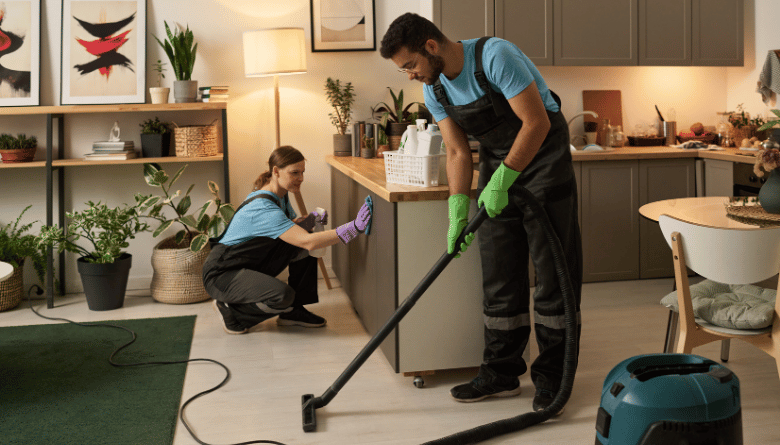
A thorough deep clean is absolutely essential before you list your property. This isn’t your typical weekend tidy-up. You’re talking baseboards, inside cabinets, grout lines, behind appliances, and every surface a guest might touch.
After the initial deep clean, you’ll need a reliable turnover cleaning process between every stay. Most hosts charge a cleaning fee to guests to cover this cost.
Lock Down a Private Storage Space
Keep one closet or room locked and off-limits for guests. Store cleaning supplies, extra supplies, maintenance tools, household items, and anything you don’t want guests to have access to. Smart locks make it easy to restrict access to specific areas.
Step 4: Stock the Right Amenities
The amenities you offer directly impact your bookings, your reviews, and how much you can charge per night. Guests expect parking, WiFi, a washer/dryer, a smart TV, and more to come standard.
Must-Have Amenities
- Fresh towels and extra towels for each guest
- Quality bed linens (no air mattress setups for primary sleeping areas)
- Cooking utensils, pots, pans, and basic pantry staples
- Coffee maker, toaster, and kitchen essentials
- Streaming services on a smart TV
- High-speed WiFi
- Washer and dryer
- Hair dryer, iron, and ironing board
Nice-to-Have Amenities That Earn Five-Star Reviews
- A hot tub (one of the top amenity searches on booking sites)
- Board games, cards, and puzzles for families
- A welcome basket with local snacks or treats
- Local recommendations in a printed welcome book
- Outdoor seating, fire pit, or grill
- Pack ‘n Play or highchair for families with kids
Pro Tip: Create a welcome book (digital or printed) that includes house rules, WiFi password, check-in instructions, local recommendations for restaurants, activities within walking distance, and emergency contacts. This one item dramatically improves the guest experience and reduces the number of questions you’ll field.
Step 5: Take Professional-Quality Photos
Your photos are the single most important factor in whether someone clicks on your listing or scrolls past it.
Vrbo recommends at least 25 high-quality photos, while Airbnb allows a maximum of 100 with a minimum resolution of 1024 x 683px.
Tips for great listing photos:
- Shoot in natural daylight with all lights on
- Photograph every room from multiple angles
- Highlight standout features (hot tub, views, fireplace, outdoor space)
- Show the bed made up with crisp linens
- Include exterior and neighborhood shots
- Stage each room so it looks inviting but not cluttered
If your budget allows, hire a professional photographer. The ROI on great photos is massive. Most people decide within seconds whether a listing is worth clicking, and your photos are the first thing they see.
Step 6: Create Your Listing and Choose Your Booking Sites
It’s time to create your listing and get it live on the platforms where travelers are actually searching. The biggest booking sites for vacation homes include:
- Airbnb (largest global audience)
- Vrbo (strong for families and whole-home rentals)
- Booking.com (massive international traveler base)
- Direct booking websites (no platform fees, full control)
Airbnb transitioned to a single 15.5% service fee deducted from host payouts in late 2025. Keep this in mind when pricing your rental.
Listing Optimization Tips
- Write a clear, keyword-rich title (mention the city, property type, and top amenity)
- Front-load your description with the most appealing details
- Be transparent about house rules, cleaning fees, and check-in/check-out times
- Respond to inquiries fast (response time affects your search ranking)
Pro Tip: Don’t put all your eggs in one basket. Listing on multiple booking sites increases your visibility, but managing calendars across platforms gets complicated fast. This is one of the biggest reasons owners hire a property management company.
Step 7: Set Smart Pricing With a Dynamic Strategy
Static pricing leaves money on the table. The short-term rental market shifts constantly based on seasonality, local events, day of the week, and competitor supply.
In 2026, success for short-term rental operators hinges on the ability to react in real time to market shifts. Operators using advanced revenue management systems and dynamic pricing solutions are the ones who stay ahead, leveraging automation to capture demand instead of chasing it.
Factors that should influence your nightly rate:
- Time of year and local events
- Day of the week (weekends vs. weekdays)
- How far in advance the booking is made
- Competitor pricing in your area
- Property size (larger group accommodations command higher rates)
- Length of stay discounts
Demand for large properties increased significantly in 2025. Six-bedroom properties saw 12.61% booking growth, while five-bedroom properties grew 10.65%. If your property can accommodate a larger group, you’re in a strong position.

Step 8: Decide Whether to Self-Manage or Hire a Property Management Company
This is the make-or-break decision for most vacation rental owners. Self-managing sounds appealing at first (keep all the revenue, right?), but the reality is that running a short-term rental is a business, not a side project.
One of the clearest trends in the industry is the continued shift from individual self-managers to professional management companies. The complexity of running a short-term rental operation has increased significantly. Owners who entered the market expecting passive income are finding that the management burden is higher than anticipated.
What Self-Managing Looks Like
- Responding to guest messages 24/7 (yes, at 2 am too)
- Coordinating cleaning crews between every stay
- Handling maintenance emergencies
- Managing pricing across multiple platforms
- Dealing with guest complaints, refund requests, and reviews
- Staying on top of local tax filings and regulations
What Hiring a Property Management Company Looks Like
- Your property is marketed, priced, and booked for you
- Guests are vetted and supported around the clock
- Housekeeping and maintenance are handled professionally
- You get dynamic pricing that maximizes your revenue
- You get true passive income with no 2 am calls
NW Hosting offers full-service vacation rental management with no restrictions on owner usage. You keep full access to your property whenever you want it, while we handle everything else.
The Short-Term Rental Market in 2026: Why Now Is a Great Time
If you’ve been on the fence about turning your home into a vacation rental, the market data supports making the move.
The global vacation rental market is estimated to be worth $84.02 billion in 2026 and is projected to reach $125.50 billion by 2033, growing at a 5.9% CAGR. In the United States, available short-term rental listings are projected to reach 1.77 million in 2026, up from 1.69 million in 2025. The market is growing, but so is competition. That makes professional management and listing optimization more important than ever.
The adventure travel segment is projected to grow at the fastest rate through 2033. Travelers increasingly prefer private, short-term accommodations near trekking routes, national parks, ski resorts, and coastal adventure destinations. Idaho is perfectly positioned to capitalize on this trend, with access to world-class outdoor recreation in every direction.
Frequently Asked Questions
Can I rent out just one room, or does it have to be the whole house?
You can rent out a single room, a separate space, or your entire house. Many Airbnb hosts start by listing a spare room in their main house while they’re still living there. This is a low-risk way to test the waters and earn money before committing to renting out the whole property. Just make sure guests have access to at least one bathroom and common areas. If you’re renting a room in the same room layout as your primary residence, platforms like Airbnb have specific listing categories for shared spaces.
Do I need to buy a second property to own a vacation rental?
No, you don’t need a second property. While many vacation rental owners do use a vacation home or second property, you can absolutely rent out your primary residence on a part-time basis. Some hosts rent their home during peak holiday weekends, local festivals, or whenever they’re traveling themselves. Of course, owning a dedicated rental property gives you more flexibility and earning potential, but it’s not a requirement to get started.
Should I allow pets or install a hot tub?
Both are strong revenue boosters. Pet-friendly properties have quietly become one of the strongest revenue plays of the last few years. Listings that allow dogs run about $17 higher per night on average, and in premium markets, the gap is wider. A hot tub is one of the most-searched amenity filters on booking sites and can significantly increase your nightly rate. Just be aware that both come with additional maintenance, cleaning, and insurance considerations.
How much should I charge for cleaning fees?
Your cleaning fees should cover your actual turnover cleaning costs, with a small buffer for supplies. Most guests expect a cleaning fee and won’t be surprised by a reasonable one. Where hosts run into trouble is charging an excessive fee that makes the total booking cost feel misleading. Be transparent about your cleaning fees in your listing, and make sure the cleanliness of your property matches what guests are paying for. A spotless home justifies the fee. A dusty one invites bad reviews.
What should I include in a welcome book?
A welcome book should be your guest’s go-to guide for everything about your property and the local area. Include:
- WiFi password and streaming services login info
- Check-in and check-out instructions
- House rules (noise, parking, trash, etc.)
- How to operate appliances, the thermostat, and any smart locks
- Local recommendations for restaurants, grocery stores, and activities
- Emergency contact numbers
- Info about anything within walking distance
A well-made welcome book reduces guest questions, prevents rule violations, and creates a more polished guest experience that leads to five-star reviews.
Is turning my home into a vacation rental really passive income?
It can be, but only if you have the right systems (or the right team) in place. Self-managing a short-term rental is far from passive. Between guest communication, cleaning coordination, pricing adjustments, and maintenance, most short-term rental hosts spend 15-20+ hours per week on their property. That’s where a property management company makes the difference. With NW Hosting, you get the passive income without the daily workload. We handle marketing, guest vetting, housekeeping, maintenance, 24/7 guest support, and dynamic pricing, so your vacation rental truly runs itself.